
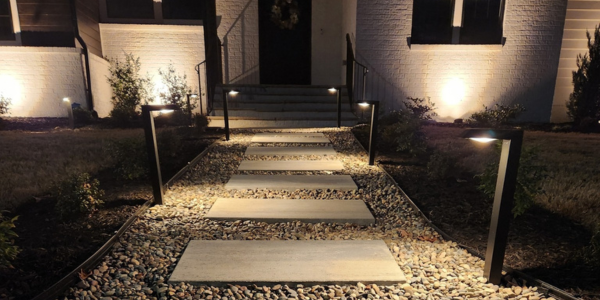
Transform your garden into a magical retreat with landscape lighting. This type of outdoor lighting adds beauty and functionality.
Imagine your garden glowing softly under the night sky. Landscape lighting can make this vision a reality.
Proper lighting enhances safety and security, guiding you through pathways and highlighting key features.
From decorative lights to pathway lights, the options are endless. Each type serves a unique purpose in your landscape design.
Whether you’re a DIY enthusiast or seeking professional help, landscape lighting offers endless possibilities for backyard lighting. Explore how to enhance your garden with the right lighting solutions.
The Benefits of Landscape Lighting
Landscape lighting offers more than just illumination. It transforms spaces into enchanting retreats. With well-placed lights, your garden becomes a serene haven.
The aesthetic appeal is undeniable. Landscape lighting enhances the beauty of your garden features. From highlighting trees to accentuating architectural elements, it adds depth and character.
Consider these key advantages:
- Improved safety and security
- Enhanced beauty and ambience
- Increased property value
- Extended usability of outdoor spaces
- Environmentally friendly options
Additionally, lighting extends the usability of outdoor spaces into the night. It allows for more family gatherings and evening relaxation.
The right lighting increases your property’s curb appeal, potentially boosting its market value.

Types of Landscape Lighting Fixtures
Choosing the right fixtures is crucial for effective garden lighting. Each type serves a specific purpose and enhances different aspects of your landscape.
Pathway lights are essential for navigation. They guide guests safely through your garden. These lights provide subtle illumination without overwhelming the scene.
Spotlights and floodlights highlight specific features. Whether it’s a stunning tree or a statue, these fixtures draw attention to focal points. They create drama and make your garden’s best features stand out.
Uplights are perfect for trees and large plants. They create a striking effect by casting light upwards, accentuating textures and shapes. This technique adds depth and vertical interest.
Consider these popular fixture types:
- Pathway lights
- Spotlights
- Floodlights
- Uplights
- Downlights
Downlights replicate natural light. Installed above, they illuminate pathways and patios with a gentle, soothing glow. This approach mimics moonlight, creating a serene atmosphere.
Finally, decorative lights add charm and ambiance. From string lights to lanterns, they transform outdoor spaces into cozy retreats. Used strategically, decorative lighting enhances the visual appeal and sets the mood.
Planning Your Landscape Lighting Design
Careful planning ensures your garden lighting is both beautiful and functional. Start by observing how you use your outdoor space at night. Identify key areas that need illumination, such as pathways and seating areas.
Consider your garden’s design and natural features. Decide which elements you wish to highlight, like trees or water features. Lighting should enhance these, adding depth and interest.
Evaluate the existing landscape design to ensure your lighting plan complements it. Avoid disrupting the natural beauty of your garden. Aim for a balanced, harmonious look.
Factor in the types of activities you’ll be doing. Different lighting levels suit various uses, from quiet relaxation to lively gatherings. Adjust brightness to create the right mood.
Create a rough sketch of your lighting design. Visualize where each fixture will go, taking into account scale and proportion. This helps avoid overcrowding or under-lighting areas.
Here are some elements to consider:
- Existing garden features
- Areas requiring illumination
- Activity types
- Fixture placement
Finally, think about the view from inside your home. Your lighting should create a cohesive experience, visible both outdoors and indoors. This approach enhances the overall ambiance and integration of your space.
Key Lighting Techniques for Gardens
Embracing key lighting techniques elevates your garden from ordinary to extraordinary. Begin with uplighting to accentuate majestic trees or unique architectural features. This adds dramatic flair and draws the eye upward.
Downlighting is another effective technique. Mimic natural light by illuminating pathways and patios from above. This method casts soft, inviting shadows that create a relaxed atmosphere.
Moonlighting involves placing fixtures high in trees. Achieve a natural, gentle glow that bathes your garden in subtle light. It evokes the serene ambiance of moonlit nights.
Accent lighting brings attention to your garden’s showpieces. Use it for statues, decorative elements, or vibrant flower beds. The focused light highlights their beauty and importance.
Layering various lighting techniques adds depth and dimension to your outdoor space. It balances contrasts, harmonizing light and shadow across the garden.
Consider these techniques:
- Uplighting
- Downlighting
- Moonlighting
- Accent lighting
Experiment with angles and intensities to achieve desired effects. By doing so, you enhance not just the appearance but also the functionality of your garden.
Choosing the Right Lights: LED, Solar, and More
Selecting the right lights is crucial for effective landscape lighting. LED lights are popular due to their energy efficiency and long life. They’re ideal for both subtle and vibrant lighting needs.
Solar-powered lights offer an eco-friendly option. They harness sunlight, eliminating the need for wiring and reducing energy bills. Easy installation makes them perfect for DIY projects.
Low-voltage systems are another reliable choice. They provide a safe and efficient lighting solution for outdoor spaces. These systems are also easy to install and adjust.
Consider waterproof and weather-resistant options for durability. Outdoor lights face the elements, so ensure longevity with robust choices.
Here’s a brief rundown of lighting options:
- LED lights
- Solar-powered lights
- Low-voltage systems
Each light type has its merits. Assess your garden’s needs and choose lights that best fit your design goals.
Installing Landscape Lighting: DIY vs. Professional Help
Deciding between DIY installation and hiring a professional depends on your comfort level and project scope. DIY projects can be budget-friendly if you enjoy hands-on work and have basic electrical knowledge.
Installing low-voltage or solar-powered lights is often manageable for homeowners. These systems typically come with clear instructions, making the process straightforward. However, complex projects may require professional expertise.
Hiring a professional ensures optimal placement and wiring safety. They have access to high-quality materials and offer design advice tailored to your landscape. This can be beneficial for large-scale or intricate lighting schemes. An example of a reputable lighting professional in the Raleigh area is Outdoor Lighting Perspectives. If you would like to learn more from our team, visit our services page.
Consider the following when choosing between DIY and professional help:
- Complexity of the project
- Budget constraints
- Personal expertise and time availability
Ultimately, your decision should align with your comfort, budget, and desired outcome. Both methods can achieve stunning results with proper planning and execution.
Creative Ideas for Backyard and Pathway Lighting
Transforming your backyard can be as simple as incorporating innovative backyard lighting ideas. Using a combination of light types can create a dynamic outdoor space.
Pathway lights offer safety and add charm to garden paths. Consider using lights with unique designs for added visual interest. Solar-powered lights are easy to install and eco-friendly for this purpose.
Enhance your garden’s focal points with accent lighting. Use spotlights to highlight sculptures, trees, or special plants. This method draws the eye to specific features.
For backyard gatherings, consider string lights or fairy lights. Hang them across patios, around trees, or within pergolas for a festive atmosphere. Their soft glow creates a warm, inviting environment.
Layer different lighting sources for a cohesive look. Combine downlighting with decorative lights to achieve this. This approach adds depth and variety to outdoor areas.
Innovative lighting ideas include using underwater lights for ponds or pools. The shimmering effect brings a magical quality to water features.
Consider these creative lighting options:
- Pathway lights for safety and style
- Accent spotlights for garden features
- String lights for a festive atmosphere
- Underwater lights for ponds and pools
Experiment with placements to create unique effects in your garden.
Decorative Lights and Ambiance Enhancers
Decorative lights are perfect for adding charm to your garden. They create a magical atmosphere for evening relaxation and gatherings.
Lanterns hung from trees or placed on tables add cozy illumination. Consider using battery-operated or solar-powered options. This gives flexibility without the need for wiring.
String lights can be draped across arbours or terraces for a whimsical touch. Their versatility makes them suitable for various outdoor settings. Choose styles that complement your garden’s aesthetic.
Enhance ambiance with colored lights for special occasions. Use them to match specific themes or holidays, adding a festive element.
Consider these ambiance enhancers:
- Lanterns for versatile placement
- String lights for whimsy and warmth
- Colored lights for thematic events
Decorative lighting can transform your garden into a captivating and enchanting space.
Maintenance and Safety Tips for Outdoor Lighting
Regular maintenance is crucial for outdoor lighting. Start by cleaning fixtures to remove dirt and debris, ensuring optimal performance. This simple task can prolong the life of your lights.
Check all bulbs regularly and replace any that have burnt out. Timely replacements keep your garden well-lit and safe. Use similar bulbs to avoid mismatched lighting.
Ensure all wiring and connections are secure and weatherproof. This prevents water damage and electrical hazards. Pay special attention to low-voltage systems, which require specific maintenance.
Here are some quick tips for upkeep and safety:
- Clean fixtures periodically
- Replace bulbs as needed
- Inspect wiring and connections
Finding Landscape Lighting Near Me
Locating landscape lighting services nearby can simplify your project. Start by searching for landscape lighting near me online. This will yield options that are conveniently located.
Consider visiting local home improvement stores. They often have experts who can provide advice and recommendations. A personal visit can help you compare choices directly.
When choosing a provider, focus on a few factors. Consider availability, customer feedback, and service offerings. This ensures you select the best fit for your lighting needs.
Here are essential criteria to consider:
- Proximity to your home
- Customer reviews and ratings
- Services and product range
Conclusion: Transform Your Garden with Landscape Lighting
Landscape lighting can dramatically change your garden. It enhances beauty and boosts safety at night. With thoughtful planning, your outdoor space can become enchanting.
Whether you choose DIY or professional help, ensure the lighting suits your landscape design and backyard lighting needs. Focus on creating layers of light, balancing function and aesthetics.
Remember that good lighting enhances not just your garden, but your entire property. As you explore options, keep your personal style and needs in mind. Let your garden shine.
Q&A
Question: How should I plan a cohesive landscape lighting design?
Short answer: Start by observing how you use your outdoor space at night and identify key areas that need illumination, like pathways and seating zones. Decide which natural or architectural features you want to highlight, then sketch a rough layout to visualize fixture placement, scale, and proportion. Adjust brightness to match activities—from quiet relaxation to lively gatherings—and aim for balance so lights enhance rather than overwhelm. Finally, consider the view from inside your home to create a seamless, coherent experience indoors and out.
Question: Which fixtures and techniques work best for different areas of the garden?
Short answer: Use pathway lights for safe navigation without overpowering the scene. Choose spotlights or floodlights to draw attention to focal points like trees or sculptures, and uplights to emphasize textures and vertical forms. Downlights from above mimic natural light, producing a gentle, moonlit effect over paths and patios. Decorative options—such as string lights and lanterns—add warmth and charm. Combine techniques like uplighting, downlighting, moonlighting, and accent lighting in layers, and experiment with angles and intensities for depth and dimension.
Question: What’s the difference between LED, solar, and low-voltage lights, and how do I choose?
Short answer: LED lights are energy-efficient and long-lasting, suitable for both subtle and bold effects. Solar lights are eco-friendly, wire-free, and easy for DIY installs, helping reduce energy costs. Low-voltage systems are safe, efficient, and relatively simple to install and adjust across a variety of outdoor applications. Whichever you choose, prioritize waterproof, weather-resistant fixtures for durability, and match the option to your garden’s needs and your design goals.
Question: Should I install landscape lighting myself or hire a professional?
Short answer: DIY can be budget-friendly and practical for solar and low-voltage systems, especially if you’re comfortable with basic electrical tasks and clear instructions. For complex or large-scale projects, a professional can optimize placement, ensure wiring safety, source higher-quality materials, and tailor the design to your landscape. Weigh project complexity, budget, and your time and expertise—either path can deliver great results with thoughtful planning.
Question: How do I maintain outdoor lights and keep them safe?
Short answer: Clean fixtures regularly to remove dirt and debris so they perform well and last longer. Check bulbs frequently and replace any that have burned out, using similar types to avoid mismatched lighting. Inspect wiring and connections to ensure they’re secure and weatherproof, paying special attention to low-voltage systems’ specific maintenance needs. Consistent upkeep keeps your garden well-lit, attractive, and safe.