
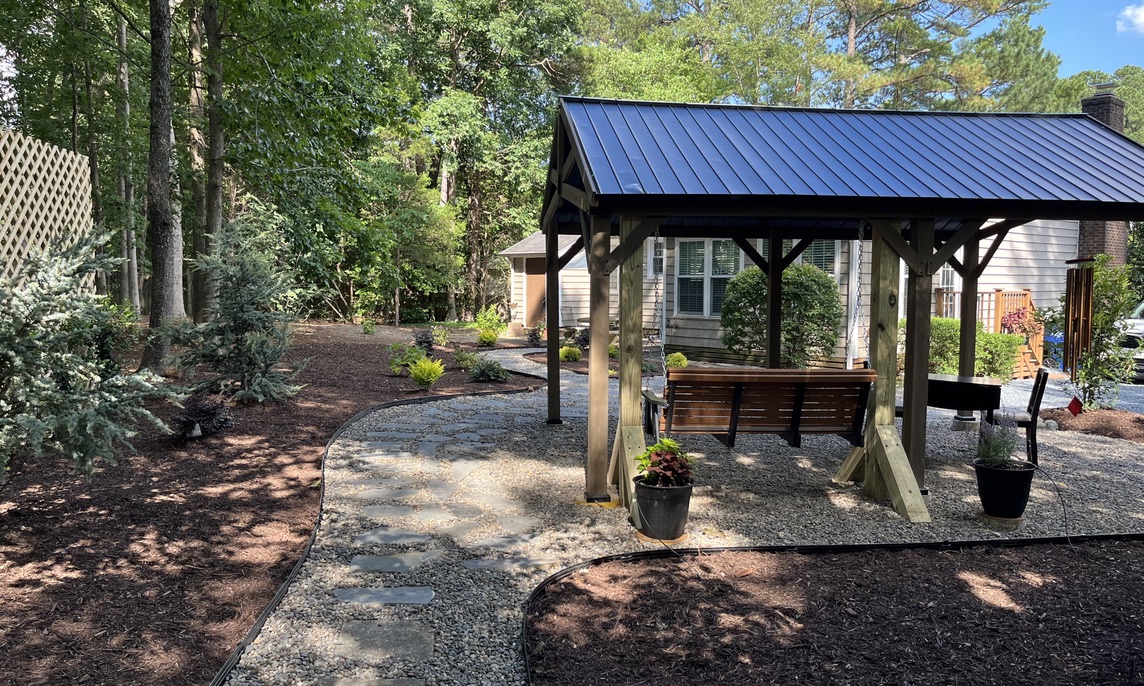
Landscape design is evolving rapidly, with 2026 promising exciting innovations. Homeowners and garden enthusiasts are eager to explore new trends in garden design and landscaping.
Smart technology is transforming how we interact with our outdoor spaces. Automated systems for irrigation and lighting are becoming standard.
Sustainability is at the forefront, with eco-friendly designs gaining popularity. Native plants and water conservation are key elements.
Small spaces are no longer a limitation. Vertical gardens and green walls offer creative solutions for urban environments.
Outdoor living spaces are extending the home. Features like outdoor kitchens and fire pits are enhancing garden landscapes.
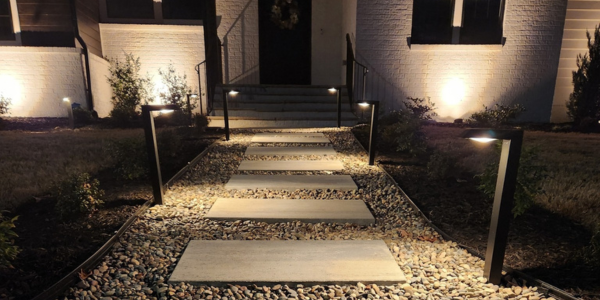
The Evolution of Landscape Design: 2026 Overview
Landscape design in 2026 reflects our changing values and technology. It showcases a blend of nature and innovation. This year’s trends prioritize sustainability and functionality, shaping outdoor spaces that are both beautiful and practical.
Smart technology integration is a significant leap. From lighting to irrigation, automation is enhancing efficiency and convenience. This helps reduce the environmental footprint. For ideas on irrigation, visit Conserva Irrigation.
Minimalism and simplicity are also taking center stage. Clean lines and uncluttered designs create soothing environments. This approach is gaining traction among homeowners and landscape designers alike.
Key trends for 2026 include:
- Smart technology in landscape design
- Eco-friendly materials and native plants
- Vertical gardens and space-saving innovations
- Outdoor living and extension of indoor spaces
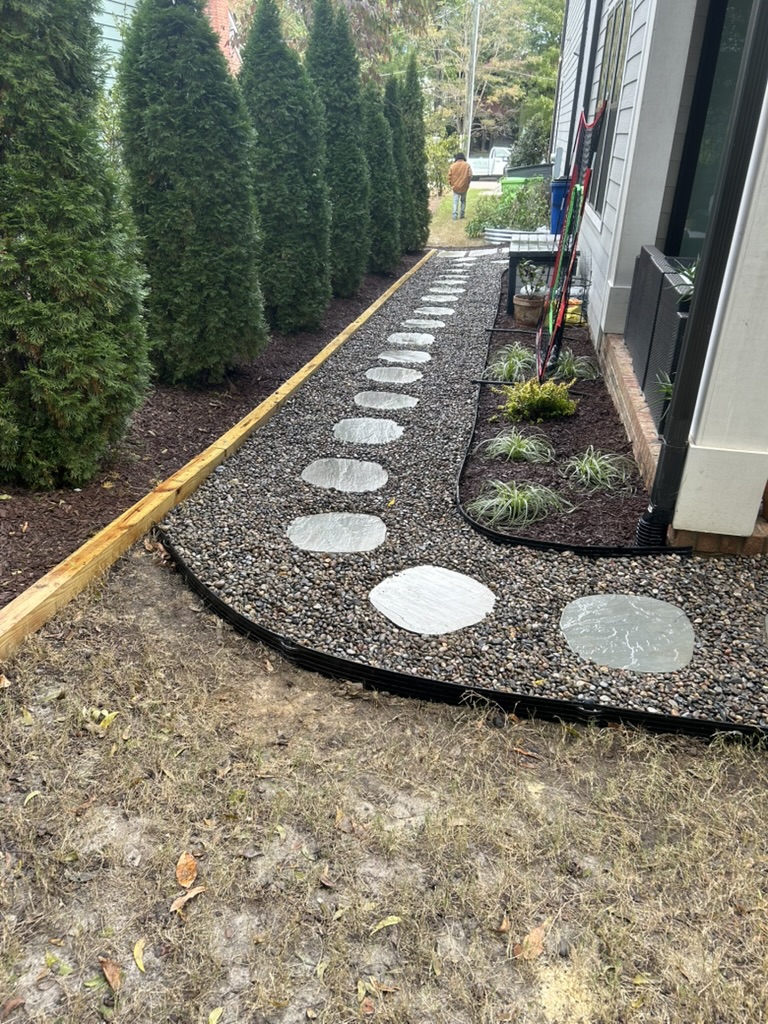
Smart Technology and Digital Tools in Landscaping
In 2026, smart technology is transforming the way we approach landscaping design. Landscapers are increasingly utilizing digital tools to enhance design precision and garden care.
Automated irrigation systems are now commonplace. These systems monitor soil moisture and weather patterns, adjusting watering schedules accordingly. This reduces water waste and saves homeowners time.
Digital planning tools and apps offer detailed garden layouts and maintenance tips. These advancements allow landscape designers to visualize projects before breaking ground, ensuring accuracy and customer satisfaction.
Key technologies in landscape design include:
- Automated irrigation systems
- Digital design and planning tools
- Smart lighting solutions
- Monitoring systems for garden health

Furthermore, smart lighting systems are making gardens safer and more beautiful. They allow homeowners to control ambiance and visibility remotely, creating perfect settings for any occasion. Embracing these technologies can greatly enhance both the form and function of landscaped spaces.
Sustainability and Eco-Friendly Garden Landscaping Designs
Sustainability is at the forefront of modern landscape design in 2026. Eco-friendly practices are reshaping garden landscaping, aiming for harmony with nature.
Native plants are becoming staples in garden designs. They require less water, reduce maintenance, and foster local ecosystems. Landscape designers increasingly recommend these plants to clients wanting a sustainable garden.
Water conservation techniques are also gaining traction. Solutions include rain gardens and permeable paving. These designs help manage stormwater, reducing runoff and promoting groundwater recharge.
The use of recycled and upcycled materials is on the rise. Materials like reclaimed wood and brick add character and sustainability to landscape designs.
Sustainability features commonly integrated into garden designs include:
- Native and pollinator-friendly plants
- Water-saving irrigation systems
- Recycled or upcycled materials
- Permeable paving solutions
In addition, edible gardens are contributing to environmental friendliness. Homeowners grow their own fruits, vegetables, and herbs, cutting down on transportation emissions. The emphasis on sustainability is not just a trend but a necessary shift towards preserving our planet. Collectively, these choices are shaping garden landscape designs that are both resilient and authentic.
Vertical Gardens, Green Walls, and Small Space Innovations
In 2026, urban spaces embrace vertical gardens and green walls as vital solutions. Limited yard areas no longer restrict creativity or plant variety in landscape design.
These innovative designs maximize vertical spaces for landscaping. They offer homeowners an opportunity to grow plants even where ground space is scarce. Vertical gardens are not only space-efficient but also aesthetically pleasing and environmentally beneficial.
Green walls improve air quality and act as natural insulators. They help regulate building temperatures, reducing energy costs, and enhancing the urban environment.
Key features of these space-saving innovations include:
- Use of climbing plants and hanging structures
- Incorporation of irrigation and maintenance systems
- Aesthetic integration with existing architecture
Additionally, these designs contribute to biodiversity, attracting pollinators and other wildlife. As more homeowners and businesses adopt this approach, cities will gradually transform into greener, healthier places. Small space solutions offer big benefits, proving that limited areas can host flourishing ecosystems.
Outdoor Living Spaces: Extending the Home
The boundary between indoor and outdoor living is blurring in 2026. Homeowners are increasingly investing in outdoor living spaces that mirror indoor comforts. These areas create extensions of the home, offering functional yet relaxing environments.
Features like outdoor kitchens and fire pits are more than just trend elements. They transform backyards into social hubs where families and friends can gather. The focus is on creating versatile spaces suitable for all occasions. A landscape designer can unify outdoor kitchens, seating, and lighting into a cohesive plan.
Outdoor living rooms are crafted with comfortable seating and durable furniture. Weather-resistant materials ensure longevity and style throughout seasons. These spaces often include:
- Outdoor kitchens and dining areas
- Cozy seating arrangements
- Ambient lighting and outdoor rugs
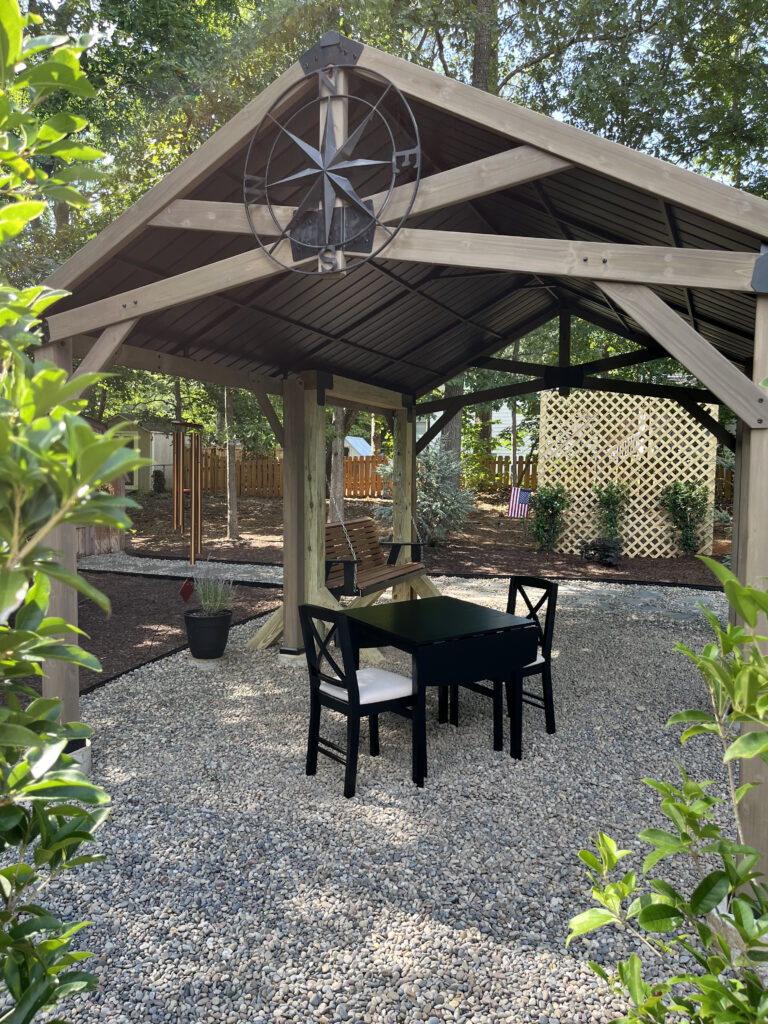
Additionally, seamless transitions between indoor and outdoor areas enhance the flow and usability of spaces. Overhead coverings, like pergolas, provide shade and weather protection, making outdoor areas livable year-round. This integration not only boosts the aesthetic appeal but also elevates property value.
Biophilic and Sensory Garden Landscape Designs
Biophilic design is reshaping how we connect with nature in our gardens and landscaping. It prioritizes a strong bond between people and the natural world. By incorporating natural elements, these designs offer tranquility and well-being.
Sensory gardens add an additional layer to the biophilic experience. They are crafted to stimulate all five senses, creating therapeutic landscapes. These designs emphasize texture, scent, and sound, inviting a deeper interaction with the environment.
Key features of these gardens include:
- Fragrant plant varieties
- Textured pathways and materials
- Water features with gentle sounds
These designs are not solely about beauty. They also focus on wellness, promoting relaxation and mental health benefits. Creating spaces that encourage mindful connection to nature provides a sanctuary from the hustle and bustle of daily life. Incorporating these elements reflects a growing demand for gardens that nurture both mind and soul.
Minimalism, Color, and Artistic Expression in Modern Gardens
Minimalism in garden landscape design embraces simplicity and clean lines. It often involves using fewer plants but focusing on their arrangement and spatial impact. This approach promotes a sense of calm and order.
Color plays a vital role in minimalist designs. Instead of numerous hues, they utilize bold, contrasting colors for dramatic effect. Strategic use of color helps to draw the eye and create focal points within the landscape. This approach not only simplifies maintenance but also enhances the garden’s aesthetic appeal.
Artistic expression finds its place through carefully chosen elements:
- Sculptures and artworks
- Bold, geometric plantings
- Innovative lighting for accents
These modern gardens celebrate artistic flair, bridging art and nature. They transform outdoor spaces into living canvases, reflecting personal taste and creativity. By embracing minimalism and artistic touches, gardens become spaces of beauty and inspiration.
Climate-Responsive and Low-Maintenance Landscaping Design
Climate-responsive landscaping design adapts to changing weather conditions, ensuring gardens thrive in various environments. Utilizing drought-resistant plants and native species minimizes water usage and increases garden resilience. These strategies not only conserve resources but also support local ecosystems.
Low-maintenance designs are increasingly popular for their practicality and ease of care. Such gardens incorporate innovative materials and smart irrigation systems to reduce upkeep. By selecting durable, sustainable elements, homeowners enjoy beauty without demanding labor.
Key features of climate-responsive, low-maintenance gardens include:
- Permeable paving solutions
- Native and drought-tolerant plant selections
- Automated irrigation systems
These thoughtful approaches create gardens that stand the test of time. They offer a blend of beauty, sustainability, and ease, making them ideal for modern lifestyles. Such gardens support environmental responsibility while maintaining aesthetic appeal and functionality.
Edible Gardens, Rewilding, and Wildlife-Friendly Spaces
Edible gardens transform landscapes into productive, nourishing environments. Incorporating fruit trees, vegetable patches, and herbs allows for delightful harvests. This trend promotes self-sufficiency and connects people to nature.
Rewilding is gaining ground as a method to encourage biodiversity. By allowing native flora and fauna to flourish, gardens become vibrant ecosystems. These spaces support the resurgence of local wildlife and provide habitats for various species.
Wildlife-friendly gardens integrate elements to attract and sustain creatures like birds and bees. Key features include:
- Native plant species
- Birdhouses and insect hotels
- Water features for drinking and bathing
These gardens enrich the environment and offer visual and ecological benefits. They foster a harmonious coexistence between humans and nature, promoting sustainability and biodiversity in every backyard.
The Future of Landscape Designers: Collaboration and Personalization
Landscape designers are embracing collaboration like never before. Working with architects and interior designers, they create seamless indoor-outdoor experiences. A skilled landscape designer also aligns outdoor details with architecture and interiors. This collaboration ensures cohesive designs across all living spaces.
Personalization is becoming a hallmark of modern landscape design. Tailoring gardens to reflect individual tastes is gaining importance. Clients are looking for spaces that mirror their lifestyles and preferences.
Key personalization elements include:
- Custom plant selections
- Unique outdoor art installations
- Personalized seating and leisure zones
These tailored designs not only enhance the aesthetic appeal but also elevate the user’s experience. By focusing on collaboration and personalization, landscape designers are setting new benchmarks in garden architecture. To learn more about our landscape design options, please visit our services page.
Conclusion: Embracing Innovation in Garden Design and Landscaping
Landscape design is evolving rapidly, with innovation at its core. New trends like smart technology, eco-friendly solutions, and personalized spaces are transforming gardens. These advancements reflect a shift towards both functionality and aesthetic excellence.
As we embrace these changes, our outdoor spaces will become more vibrant and sustainable. The future of garden landscaping designs is exciting and promising. By integrating new ideas and techniques, we can create gardens that are not only beautiful but also mindful of the environment and personal needs.
Q&A
Question: How is smart technology changing landscaping in 2026?
Short answer: Smart tools are boosting precision, efficiency, and convenience. Automated irrigation monitors soil moisture and weather to adjust watering, reducing waste. Smart lighting enhances safety and ambiance with remote control. Digital planning apps let designers visualize layouts and maintenance needs before work begins, improving accuracy and satisfaction. Monitoring systems track garden health, helping keep landscapes thriving with less effort.
Question: What practical steps can I take to make my garden more sustainable?
Short answer: Prioritize native, pollinator-friendly plants; they need less water and maintenance while supporting local ecosystems. Use water-saving irrigation and incorporate rain gardens and permeable paving to manage stormwater and recharge groundwater. Choose recycled or upcycled materials like reclaimed wood or brick. Growing edibles (fruits, vegetables, herbs) further reduces environmental impact and increases resilience.
Question: How do vertical gardens and green walls help small spaces?
Short answer: They turn walls and vertical structures into productive, beautiful planting areas, overcoming limited ground space. Integrated irrigation and simple maintenance systems keep them practical. Green walls also improve air quality and insulate buildings, helping regulate temperatures and cut energy costs. They support biodiversity by attracting pollinators, making even compact areas ecologically vibrant.
Question: What turns a patio into a true outdoor living space, and does it add value?
Short answer: Combine functional features—outdoor kitchens and dining areas, cozy seating, ambient lighting, and weather-resistant materials—with design continuity from indoors to outdoors. Elements like pergolas provide shade and year-round usability. These cohesive, comfortable spaces elevate daily living and can boost property value by extending the home’s functional footprint.
Question: What’s the difference between edible gardens, rewilding, and wildlife-friendly designs?
Short answer: Edible gardens focus on productivity—fruit trees, vegetable beds, and herbs—for home harvests and reduced transport emissions. Rewilding lets native flora and fauna re-establish, creating self-sustaining, biodiverse ecosystems. Wildlife-friendly designs intentionally add supports—native plants, birdhouses, insect hotels, and water features—to attract and sustain species like birds and bees. All three enhance biodiversity, but each emphasizes a different goal: food, ecological restoration, or targeted habitat support.